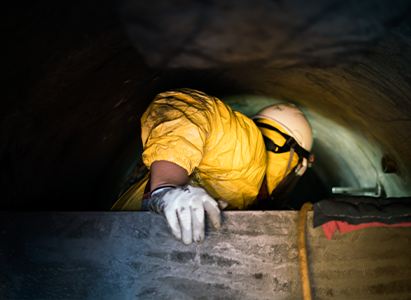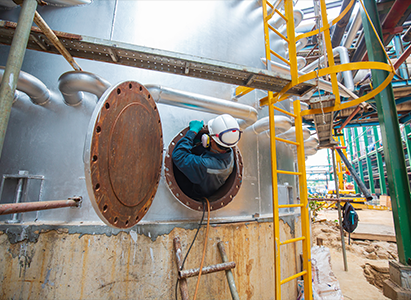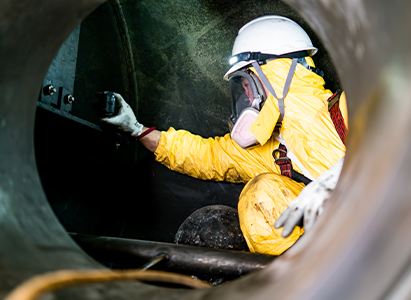


Confined spaces present serious and often fatal hazards, including oxygen deficiency, toxic gas exposure, flammable atmospheres, entrapment, and engulfment risks. These environments—such as tanks, silos, tunnels, sewers, manholes, pipelines, and storage vessels—can quickly become deadly if proper safety measures are not followed. Without adequate training, workers may unknowingly expose themselves to hazardous conditions that can lead to suffocation, explosions, falls, or entrapment.
Our Confined Space Safety Training Course is designed to provide a thorough understanding of confined space hazards, safety controls, and emergency response procedures. Participants will gain in-depth knowledge of industry standards, ensuring workplaces maintain a safe working environment.
This course covers best practices for confined space entry, hazard assessment, atmospheric testing, ventilation, personal protective equipment (PPE), and rescue planning. Participants will learn safe work techniques and emergency rescue strategies to protect themselves and their coworkers in high-risk situations.
By completing this course, participants will be equipped with essential skills to recognize, assess, and mitigate confined space hazards, reducing the risk of injuries and fatalities.
By the end of the course, participants will be able to:

involved in confined space entry and operations.

responsible for confined space rescues.

ensuring compliance and workplace safety.

operating in hazardous environments.

working in tanks, silos, tunnels, and pipelines.

for Workplace Safety & Employee Well-Being
Reduce confined space-related incidents and fatalities.
Recognize confined space dangers and implement proactive safety measures.
Learn effective rescue techniques, including self-rescue, non-entry rescue, and entry rescue, improving preparedness for emergencies.
Confined space work requires specialized knowledge and skills—don't take chances with safety. Register now for our Confined Space Safety Training Course and equip yourself or your team with life-saving safety techniques!
Confined Space Safety Training FAQs

Transforming Lives through Safety